

Affects: Stomach2–4 h
Peptic ulcer
An open sore in the wall of the stomach or the first part of the small intestine, where acid has eroded the tissue.
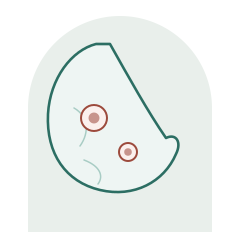
What happens
When the balance between acid and the lining defences breaks down, tissue erodes until an ulcer forms. In the stomach it is called a gastric ulcer; in the duodenum, a duodenal ulcer. Two causes explain most cases: Helicobacter pylori infection and continued use of anti-inflammatory drugs such as ibuprofen or aspirin.
A myth worth clearing up
For decades stress and spicy food took the blame. We now know they do not cause ulcers, although they can worsen the symptoms of an existing one. Discovering the role of H. pylori transformed treatment and turned a chronic, recurring disease into a curable one.
What helps
Treatment targets the cause: eradicating the bacterium with the appropriate antibiotic regimen and stopping or replacing the responsible anti-inflammatory, together with medication that reduces acid and allows healing. Most ulcers heal within a few weeks with the right treatment.
Complications to avoid
Untreated, an ulcer can bleed, perforate the organ wall or block the stomach outlet. These are medical emergencies, and they are why persistent abdominal pain deserves an evaluation rather than just an antacid.
When something goes wrong
- GastritisInflammation of the stomach lining. It can be acute and short-lived or chronic, and in many cases the bacterium Helicobacter pylori is behind it.

- H. pyloriA bacterium able to survive in stomach acid. It colonises the gastric lining and is the main cause of chronic gastritis and peptic ulcer.
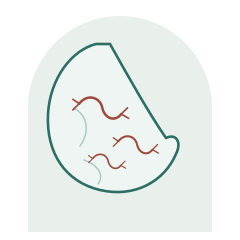
- Functional dyspepsiaPersistent upper abdominal discomfort with no lesion to explain it. The stomach is not damaged, but it functions and perceives abnormally.