
Affects: Large intestine12–48 h
Diverticulosis and diverticulitis
Small pouches that form in the colon wall. Having them is diverticulosis; when one becomes inflamed or infected, it is diverticulitis.
What happens
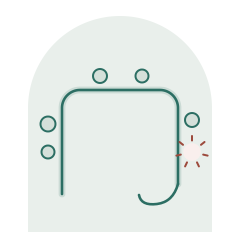
Over the years, pressure inside the colon can push the lining out through weak points in the muscular wall, forming diverticula. They are very common from age 50 onward and most people who have them never know: that is diverticulosis, and it is not a disease.
When it becomes complicated
If a diverticulum becomes blocked and inflamed, diverticulitis develops, with characteristic pain in the left lower abdomen, fever and malaise. It may be uncomplicated, usually resolving with medical treatment, or complicated by abscesses, perforation or fistulas, which requires more intensive management.
Advice that changed
For years people were told to avoid nuts, seeds and popcorn. Current evidence does not support that restriction: they do not increase the risk of diverticulitis. What does help is a fibre-rich diet, which lowers pressure inside the colon.
What helps prevent it
- Plenty of fibre from fruit, vegetables, legumes and whole grains
- Good hydration
- Regular physical activity
- Maintaining a healthy weight and not smoking
- Avoiding unnecessary, prolonged use of anti-inflammatory drugs
When something goes wrong
- IBSA disorder of gut-brain interaction: the bowel works abnormally and is more sensitive, even though there is no visible damage to its structure.

- Chronic constipationInfrequent, hard or difficult-to-pass bowel movements for at least three months, with straining and a sense of not being finished.
- Chronic diarrheaLoose or liquid stools most of the time for more than four weeks. It is a symptom, not a diagnosis: the point is to find the cause.