
Affects: Esophagus5–10 s
Gastroesophageal reflux disease (GERD)
Acidic stomach contents repeatedly rise into the esophagus because the sphincter between them does not close properly, irritating the lining.
What happens
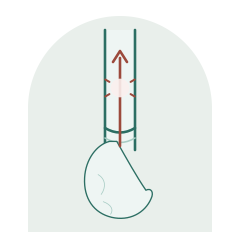
Between the esophagus and the stomach sits a muscular valve, the lower esophageal sphincter, which should open only to let food through. When it loses tone or relaxes at the wrong moment, gastric acid rises. The esophagus lacks the mucus layer that protects the stomach, so repeated contact inflames its lining and produces the characteristic burning.
What makes it worse
- Large, very fatty or heavily spiced meals
- Coffee, alcohol, chocolate, mint and carbonated drinks
- Lying down less than two or three hours after dinner
- Excess abdominal weight, which raises pressure on the stomach
- Tobacco, which reduces sphincter tone
What helps
Lifestyle measures resolve many mild cases: smaller and more frequent portions, earlier dinners, raising the head of the bed by about 15 centimetres, losing weight if overweight, and stopping smoking. When that is not enough, effective treatments reduce acid production, always prescribed and supervised by a professional.
Why it should not be ignored
GERD sustained for years can cause esophagitis, esophageal narrowing, or Barrett esophagus, a change in the lining cells that requires monitoring. Treating it early is prevention, not just relief.
When something goes wrong
- GastritisInflammation of the stomach lining. It can be acute and short-lived or chronic, and in many cases the bacterium Helicobacter pylori is behind it.
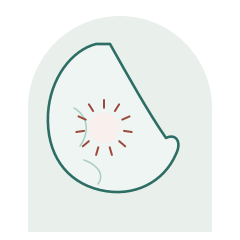
- Peptic ulcerAn open sore in the wall of the stomach or the first part of the small intestine, where acid has eroded the tissue.
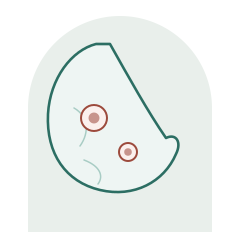
- IBSA disorder of gut-brain interaction: the bowel works abnormally and is more sensitive, even though there is no visible damage to its structure.