
Our body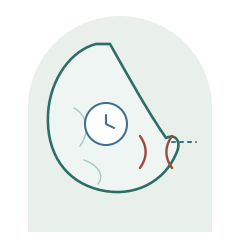
Affects: Stomach2–4 h
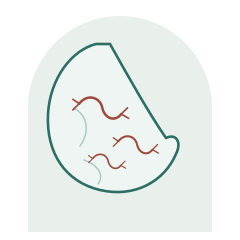
Gastroparesis
The stomach empties too slowly with no obstruction present, because the muscle or the nerves coordinating it are not working properly.
What happens
To empty, the stomach needs coordinated contractions. In gastroparesis that coordination fails, usually because of damage to the vagus nerve or to the cells that set the gastric rhythm. Food stays inside longer than it should, hence the nausea, immediate fullness and vomiting.
Most common causes
- Long-standing diabetes, the most common identifiable cause
- Idiopathic, when no clear cause is found
- After surgery affecting the vagus nerve
- Some medications, such as opioids and certain diabetes drugs
- Neurological or connective tissue diseases
The link with diabetes runs both ways
Prolonged poor glucose control damages nerves and causes gastroparesis; in turn, erratic emptying makes glucose rise unpredictably. Improving metabolic control is part of the digestive treatment.
Eating strategies
- Small, frequent meals, five or six a day
- Reducing fat and insoluble fibre, which slow emptying further
- Favouring soft textures, purées and nutritious liquids during worse periods
- Chewing thoroughly and not lying down for two hours afterwards
- Gentle walking after meals
Management requires individualised follow-up, and often the combined support of gastroenterology and nutrition.
When something goes wrong
- GastritisInflammation of the stomach lining. It can be acute and short-lived or chronic, and in many cases the bacterium Helicobacter pylori is behind it.
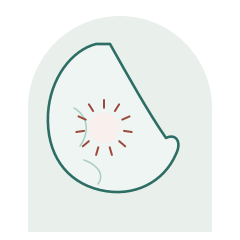
- Peptic ulcerAn open sore in the wall of the stomach or the first part of the small intestine, where acid has eroded the tissue.
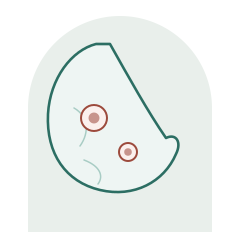
- H. pyloriA bacterium able to survive in stomach acid. It colonises the gastric lining and is the main cause of chronic gastritis and peptic ulcer.