
Affects: Liver, pancreas and gallbladder24/7
Hepatic steatosis (fatty liver)
Fat accumulating in liver cells, almost always linked to insulin resistance, excess weight, diabetes or cholesterol abnormalities.
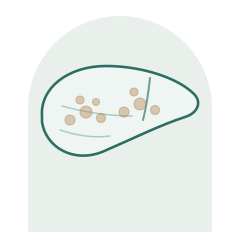
What happens
When metabolism becomes dysregulated, the liver starts storing fat. At first there is only simple steatosis. If inflammation is added (steatohepatitis), the tissue is progressively damaged and can advance to fibrosis and cirrhosis. It is now the most common liver disease in the world and is growing alongside obesity and type 2 diabetes.
It is not only about the liver
Metabolic fatty liver is a cardiovascular risk marker. In fact, the most frequent cause of death in these patients is not liver-related but cardiac. Treating it protects the heart as much as the liver.
The good news
In its early stages it is reversible, and it does not require a drug: it responds to sustained lifestyle change. Losing 7 to 10% of body weight can reduce liver fat and even reverse the inflammation.
What works
- Gradual, sustained weight loss, not extreme diets
- A Mediterranean eating pattern: vegetables, legumes, fish, olive oil, nuts
- Cutting out sugary drinks and reducing added sugar and industrial fructose
- Regular physical activity: 150 minutes a week, combining aerobic and strength work
- Avoiding alcohol, which adds injury to an already affected liver
- Controlling glucose, cholesterol and blood pressure
When something goes wrong
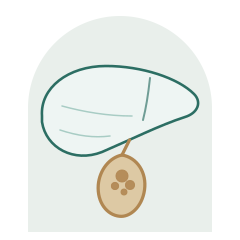
- GallstonesStones that form in the gallbladder when bile becomes too concentrated. Many cause no symptoms; others block the bile duct and trigger an attack.
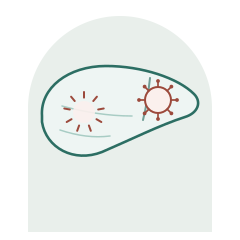
- HepatitisInflammation of the liver. It can be caused by viruses (A, B, C, D, E), alcohol, medications, or metabolic or autoimmune causes.
- PancreatitisInflammation of the pancreas, occurring when its own digestive enzymes activate inside the organ and damage it. It can be acute or chronic.