

Affects: Liver, pancreas and gallbladder24/7
Pancreatitis
Inflammation of the pancreas, occurring when its own digestive enzymes activate inside the organ and damage it. It can be acute or chronic.
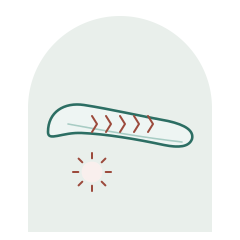
What happens
The pancreas produces powerful enzymes that should activate only on reaching the intestine. If they activate inside the organ itself, they begin digesting its tissue. The result is inflammation that may be mild or become very severe, affecting other organs.
The two main causes
Gallstones blocking the pancreatic duct and excessive alcohol consumption explain the great majority of cases. Other causes include very high triglycerides, certain medications, trauma and genetic causes.
Acute and chronic
The acute form appears abruptly; with appropriate treatment the pancreas can recover completely. The chronic form is progressive, irreversible damage after repeated inflammation: the pancreas loses its ability to produce enzymes and insulin, causing malabsorption, weight loss, greasy stools and diabetes.
Concrete prevention
- Eliminating alcohol, especially after a first episode
- Treating gallstones once they have caused symptoms
- Controlling triglycerides
- Not smoking: tobacco accelerates progression to chronic pancreatitis
After acute pancreatitis, follow-up is not optional: identifying and correcting the cause is what prevents the next episode.
When something goes wrong
- GallstonesStones that form in the gallbladder when bile becomes too concentrated. Many cause no symptoms; others block the bile duct and trigger an attack.

- HepatitisInflammation of the liver. It can be caused by viruses (A, B, C, D, E), alcohol, medications, or metabolic or autoimmune causes.
- Fatty liverFat accumulating in liver cells, almost always linked to insulin resistance, excess weight, diabetes or cholesterol abnormalities.