
Affects: Liver, pancreas and gallbladder24/7
Cholelithiasis (gallstones)
Stones that form in the gallbladder when bile becomes too concentrated. Many cause no symptoms; others block the bile duct and trigger an attack.
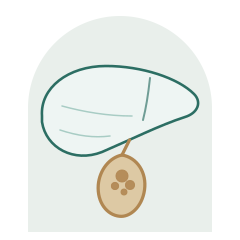
What happens
The gallbladder stores and concentrates the bile the liver produces. If cholesterol or bile pigments become saturated, they crystallise and form stones. As long as they sit still at the bottom of the gallbladder they usually cause no trouble. Pain appears when one moves and blocks the outlet: that is biliary colic, an intense sustained pain rather than a wave-like one, despite the name.
Who is at higher risk
- Women, especially during or after pregnancies
- Family history
- Overweight and obesity
- Very rapid weight loss or highly restrictive diets
- Diabetes and high triglyceride levels
When it is treated
Stones that have never caused symptoms are usually just monitored. Once they have triggered an attack, recurrence is likely and removal of the gallbladder is often considered, a routine and well-tolerated procedure. You can live perfectly well without a gallbladder: bile passes directly from the liver to the intestine.
Complications to watch for
Cholecystitis (gallbladder inflammation), choledocholithiasis (a stone in the main bile duct), cholangitis and gallstone pancreatitis. All require urgent medical care.
When something goes wrong
- HepatitisInflammation of the liver. It can be caused by viruses (A, B, C, D, E), alcohol, medications, or metabolic or autoimmune causes.
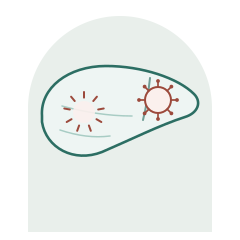
- Fatty liverFat accumulating in liver cells, almost always linked to insulin resistance, excess weight, diabetes or cholesterol abnormalities.
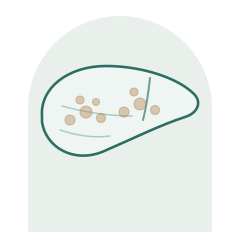
- PancreatitisInflammation of the pancreas, occurring when its own digestive enzymes activate inside the organ and damage it. It can be acute or chronic.