
Affects: Small intestine3–6 h
Celiac disease
An autoimmune disease in which gluten triggers the immune system to attack the villi of the small intestine.
What happens
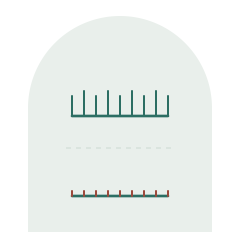
It is neither an allergy nor an intolerance: it is an autoimmune disease. In genetically predisposed people, the gluten in wheat, barley and rye causes the immune system to attack the lining of the small intestine. The villi that absorb nutrients flatten, and the deficiencies follow: iron, calcium, vitamin D, B12, folate.
It does not always show up in the gut
Many people reach the diagnosis by unexpected routes: anemia that does not respond to iron, early osteoporosis, recurrent mouth ulcers, dental enamel defects, infertility or neurological problems. It is a frequently underdiagnosed disease.
Diagnosis follows an order
First blood tests looking for specific antibodies, then confirmation by intestinal biopsy, all while still eating gluten. Removing it beforehand normalises the findings and forces the whole process to be repeated later.
The treatment
A strict, lifelong gluten-free diet. Followed rigorously, the lining recovers and symptoms disappear. It means learning to read labels, avoiding cross-contamination in the kitchen, and having nutritional guidance, especially at the start.
When something goes wrong
- Lactose intoleranceThe gut produces little lactase, the enzyme that splits milk sugar, and undigested lactose ferments in the colon.

- SIBOAn excess of bacteria in the small intestine, which should host few. They ferment food before it is absorbed, producing gas and malabsorption.
- GERDAcidic stomach contents repeatedly rise into the esophagus because the sphincter between them does not close properly, irritating the lining.